Maa Kudargarhi Group | Diversified Industrial Group in Chhattisgarh
MKG MKG
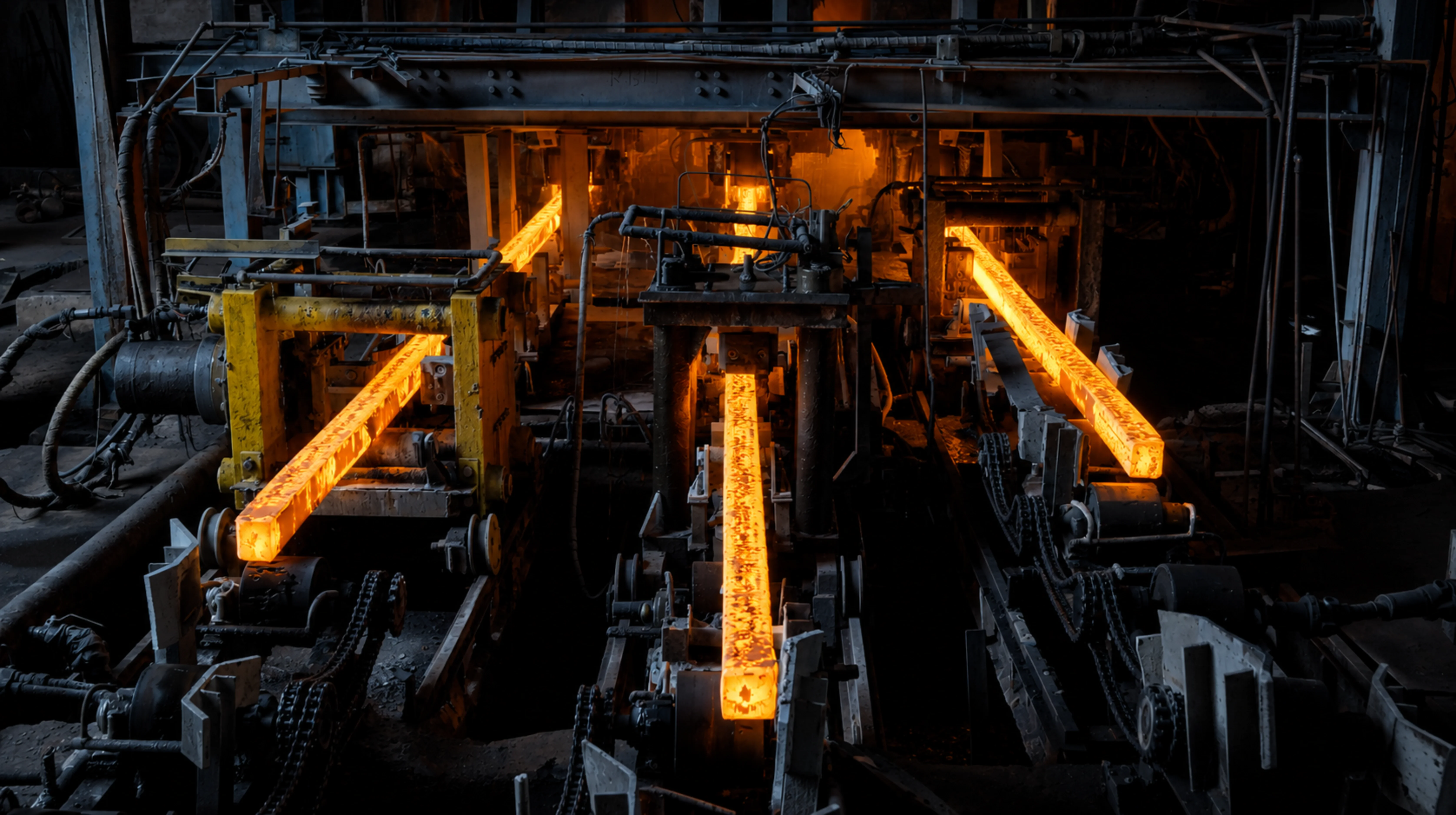
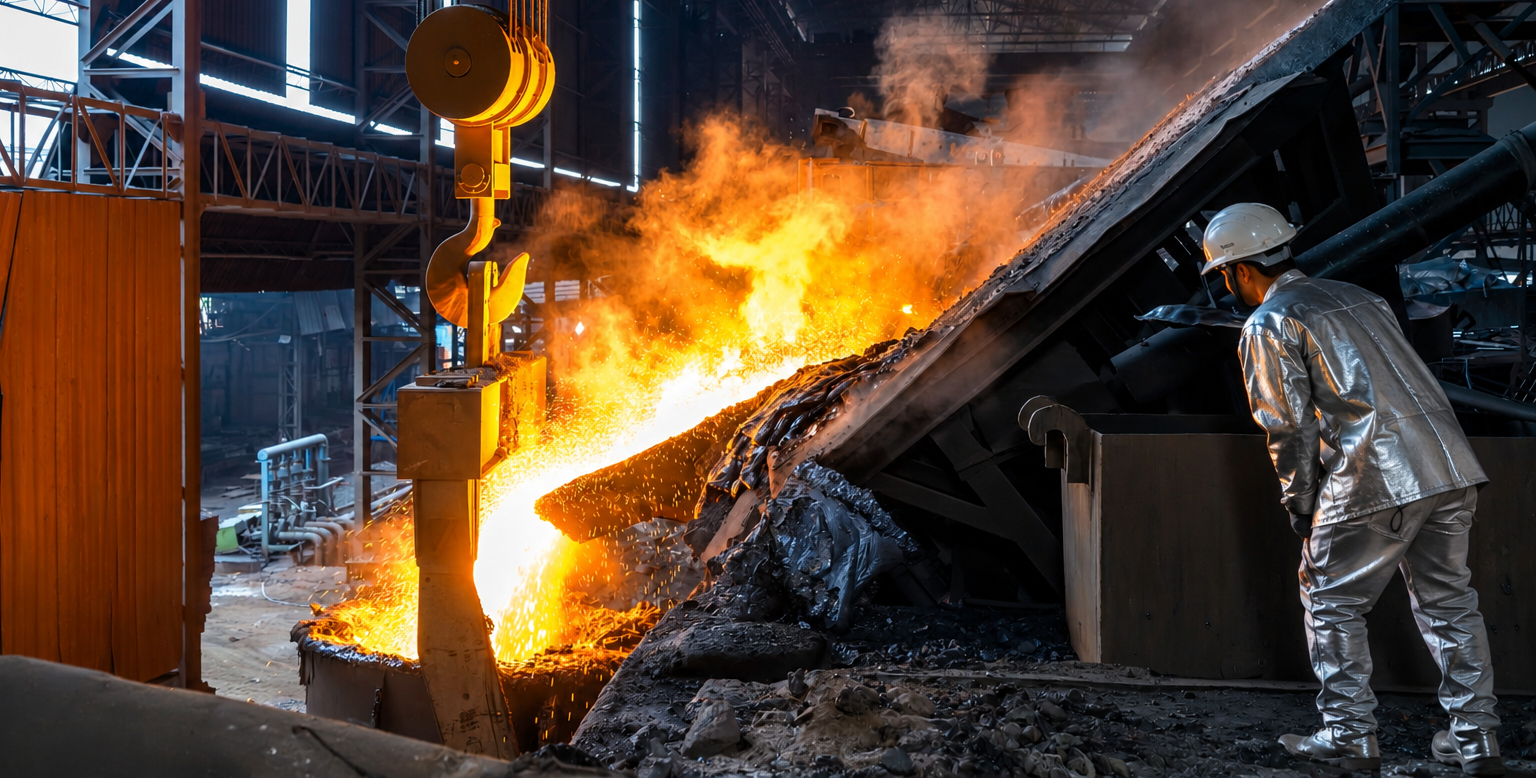
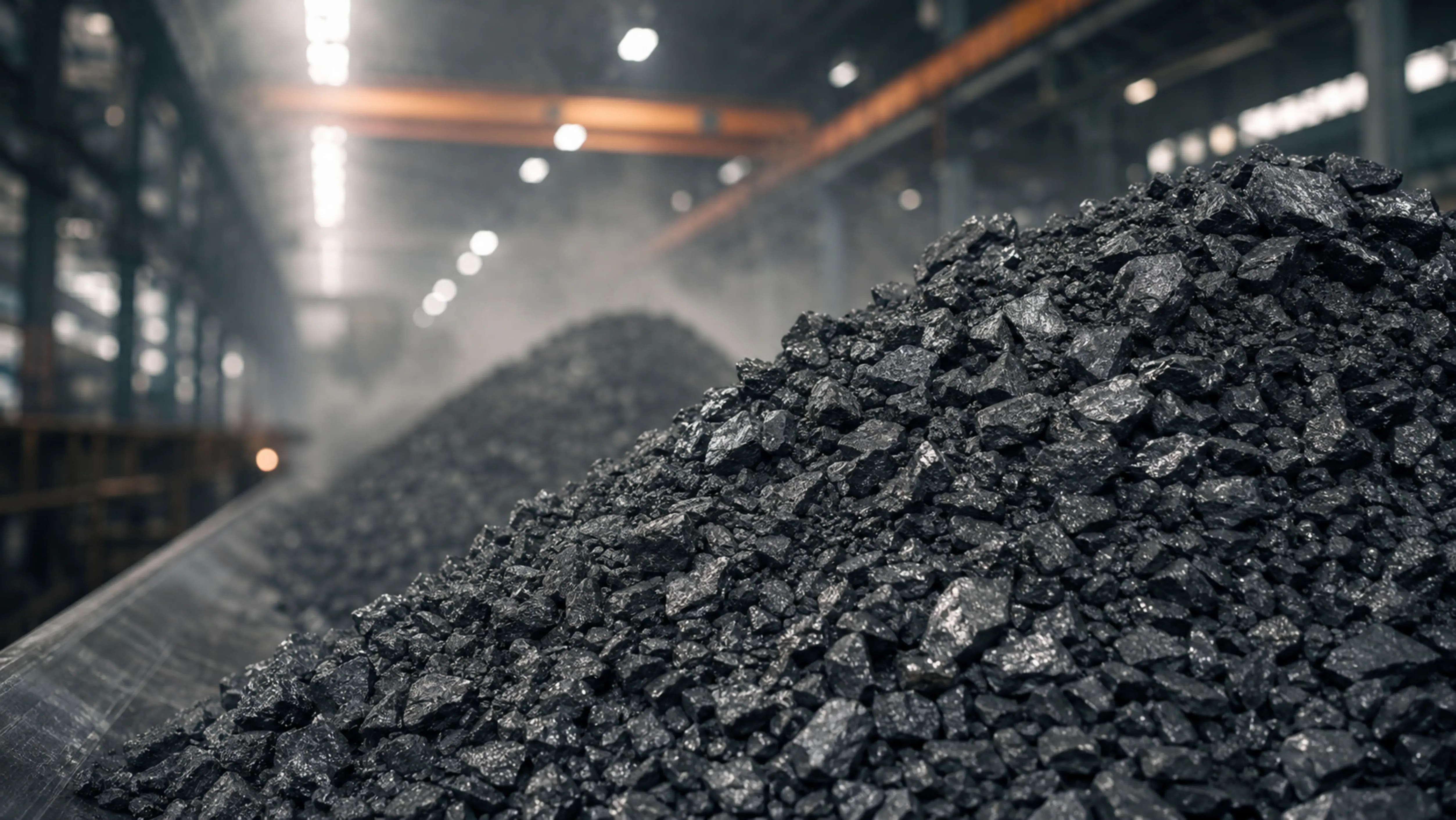
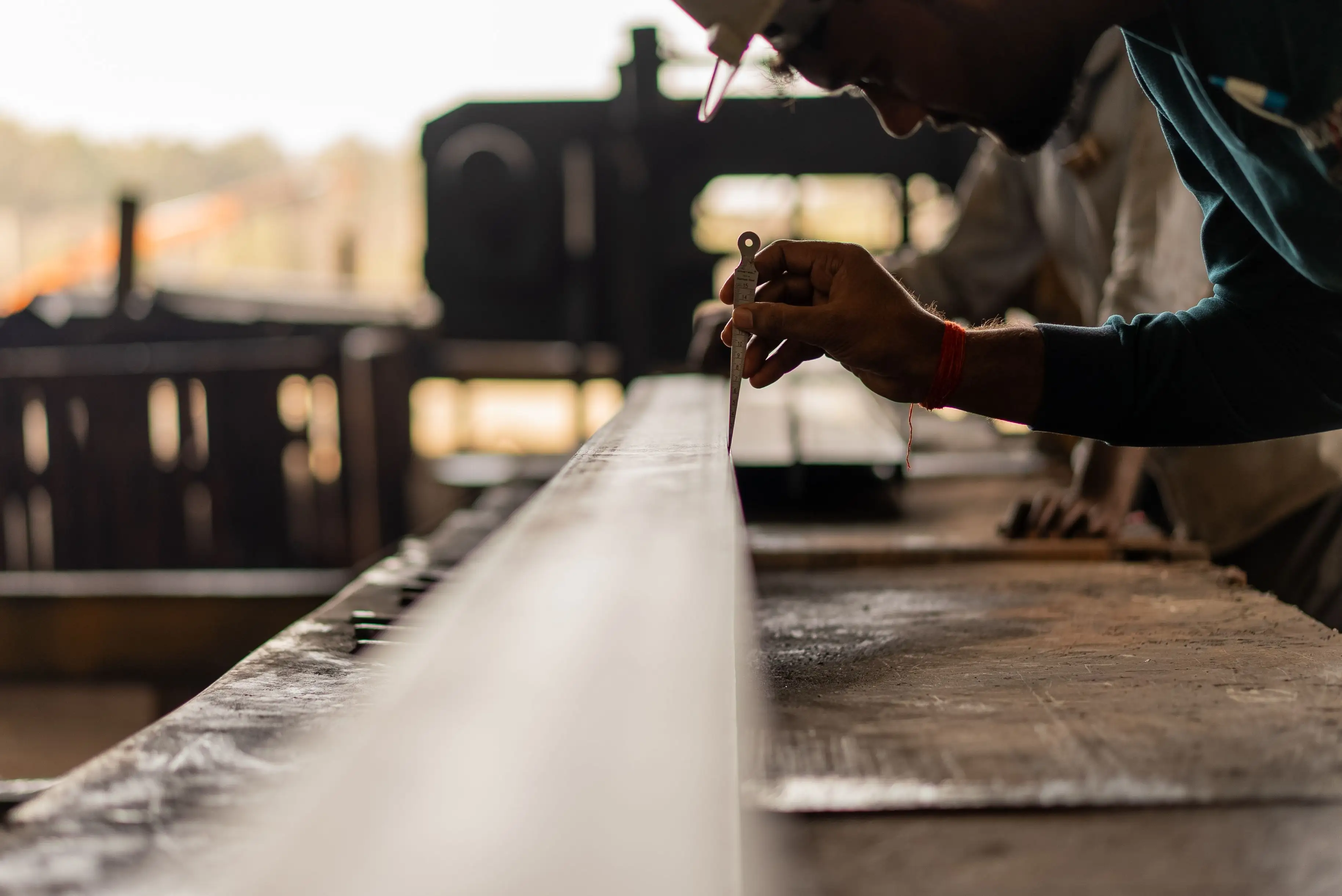
Iron and Steel operations

Building the foundations of a stronger tomorrow.

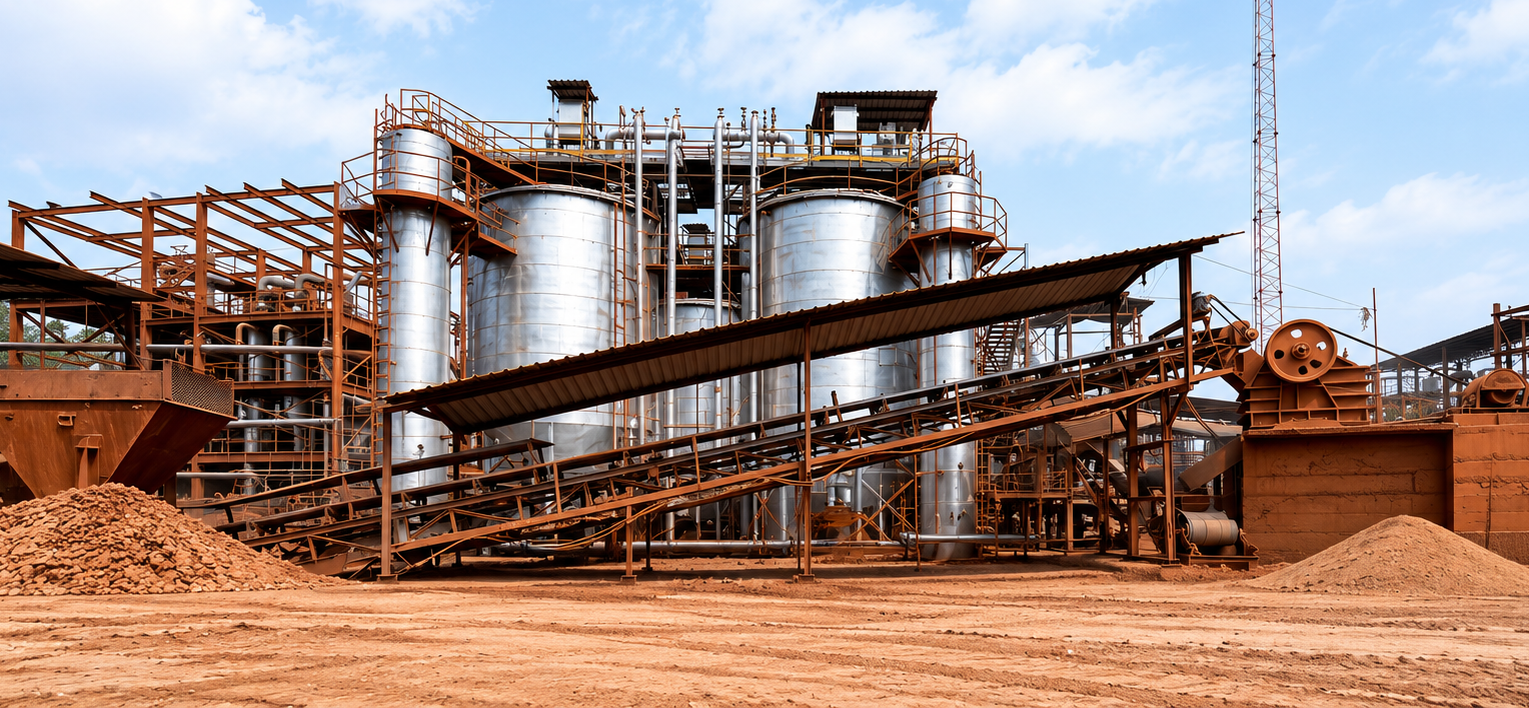
Alumina and Minerals operations

Transforming minerals into lasting value

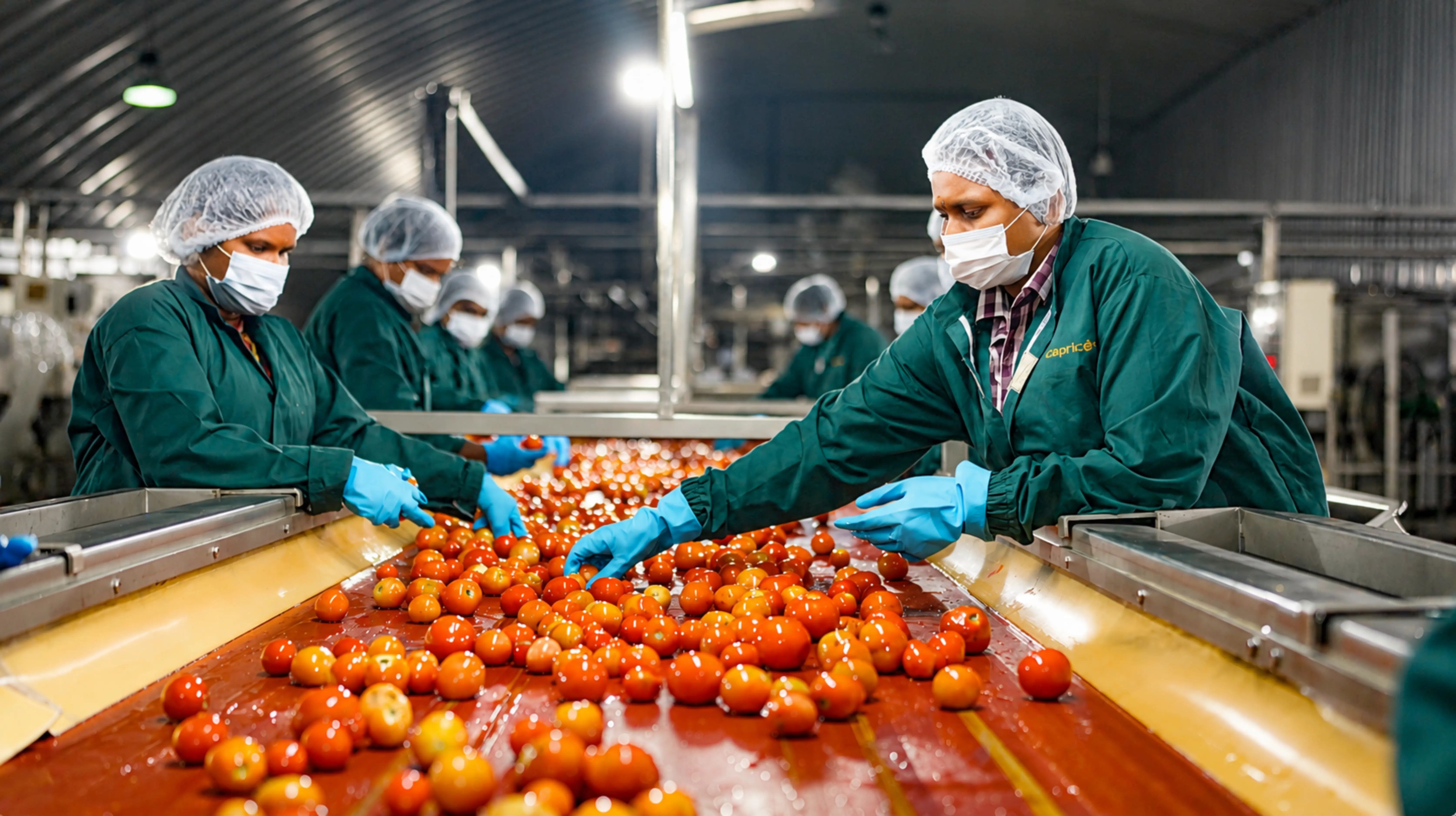
Food and Agro Processing

From the heartland to millions of homes

Maa Kudargarhi Group workforce

Powered by people.
Driven by purpose.

Maa Kudargarhi Group

Four decades of building what comes next

At Maa Kudargarhi Group, we aim to build a globally respected and enduring enterprise through responsible growth, operational excellence and continuous innovation. Guided by integrity and accountability, we build high-quality businesses that create lasting value for our customers, employees, partners and communities. We embrace technology and continuous improvement while growing responsibly and contributing meaningfully to society.

INDUSTRY

Iron & Steel

0

MTPA capacity

0+

dealer network

BBB+

CRISIL rated

INDUSTRY

Alumina & Minerals

Maa Kudargarhi Minerals & Refractories Pvt. Ltd. (MKMRPL)

0

TPA ATH

0

Calcined Bauxite (TPA)

0

Refractory bricks (TPA)

GRAPHITE

INDUSTRY

Graphite

Dhanpriya Resources Pvt. Ltd. is Maa Kudargarhi Group's venture into the critical minerals sector, focused on natural graphite.

With four mining blocks across Central India, the company is building an integrated mining and processing operation.

Its capabilities span exploration, beneficiation, processing and in-house R&D.

Dhanpriya aims to develop a reliable supply of high-quality natural graphite for industrial and clean-energy applications.

INDUSTRY

Bauxite

0

Bauxite & Aluminous Laterite Blocks

0 Million

Tonnes of Estimated Mineral Resources

40-45%

Grade Range of Al₂O₃

INDUSTRY

Agro Processing

0 TPH

rice milling capacity

0 TPD

flour production

Catering to institutional as well as regional customers.

INDUSTRY

Fruit Processing

Rajaram Food Products (earlier known as Capricorn Food Products India Ltd), founded in 1998, specialises in fruit and vegetable processing.

Its portfolio includes pulps, purees, concentrates and IQF products.

With a capacity of 40 MT/hour, it operates facilities in Tamil Nadu and Andhra Pradesh.

The company serves customers across global markets.

FURNITURE DIVISION

INDUSTRY

Furniture Division

Furnika is a modular furniture manufacturing brand based in Raipur, backed by over 14 years of industry experience.

The company serves commercial, institutional, corporate and government sectors with customised and standard furniture solutions.

Its modern manufacturing setup combines advanced machinery with skilled execution to deliver consistent quality across projects of varying scales.

STONE MINING & CRUSHING DIVISION

INDUSTRY

Stone Mining & Crushing Division

Maa Kudargarhi Stone Crusher Pvt. Ltd. operates a 250 MTPH stone crushing unit at Rewatipur, Ramanujganj.

Backed by the Group's own stone mines at Oranga, the integrated operation ensures reliable raw material supply and consistent quality.

The company supplies construction aggregates for infrastructure projects across the region, with further capacity expansion planned.

SOLAR DIVISION

INDUSTRY

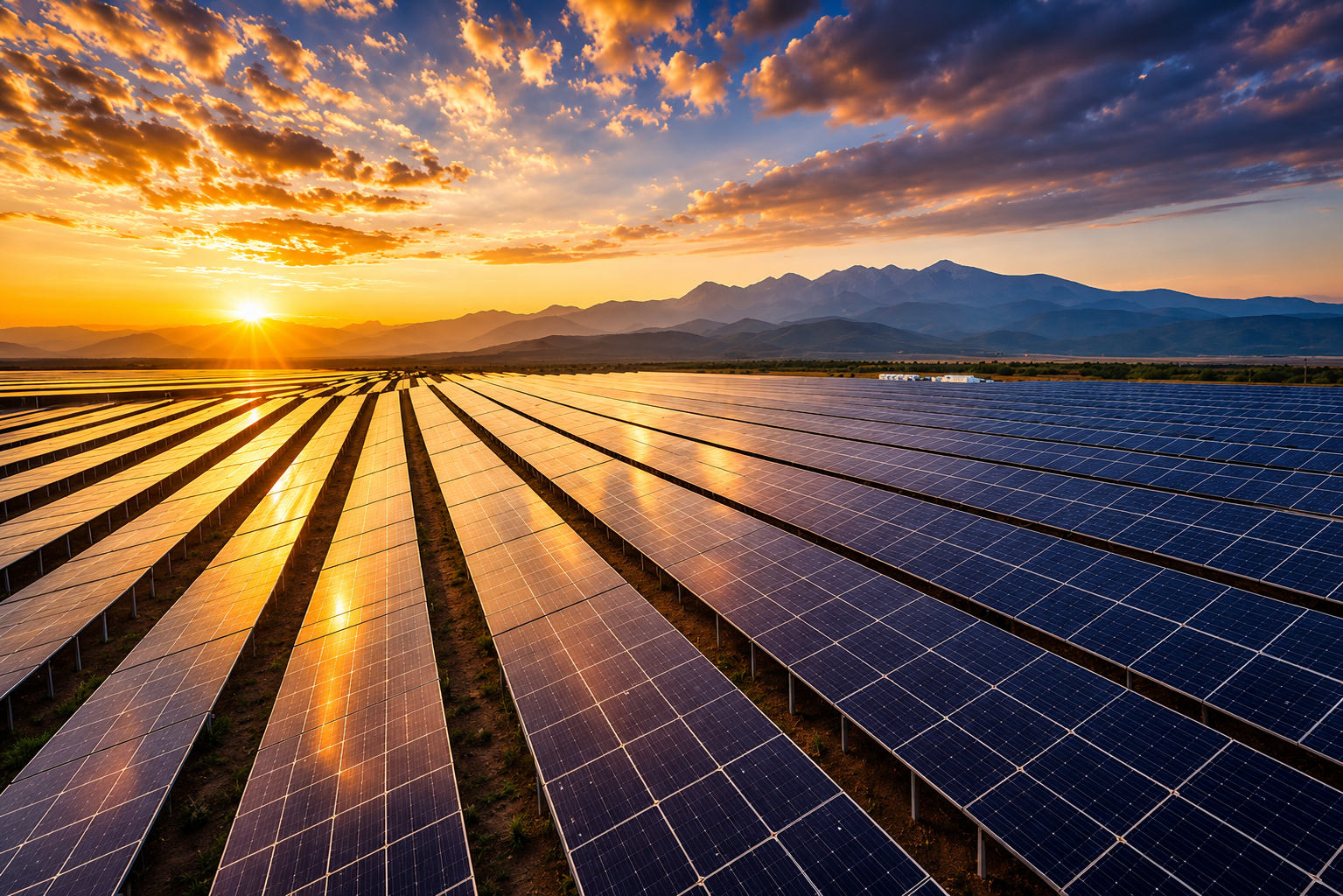
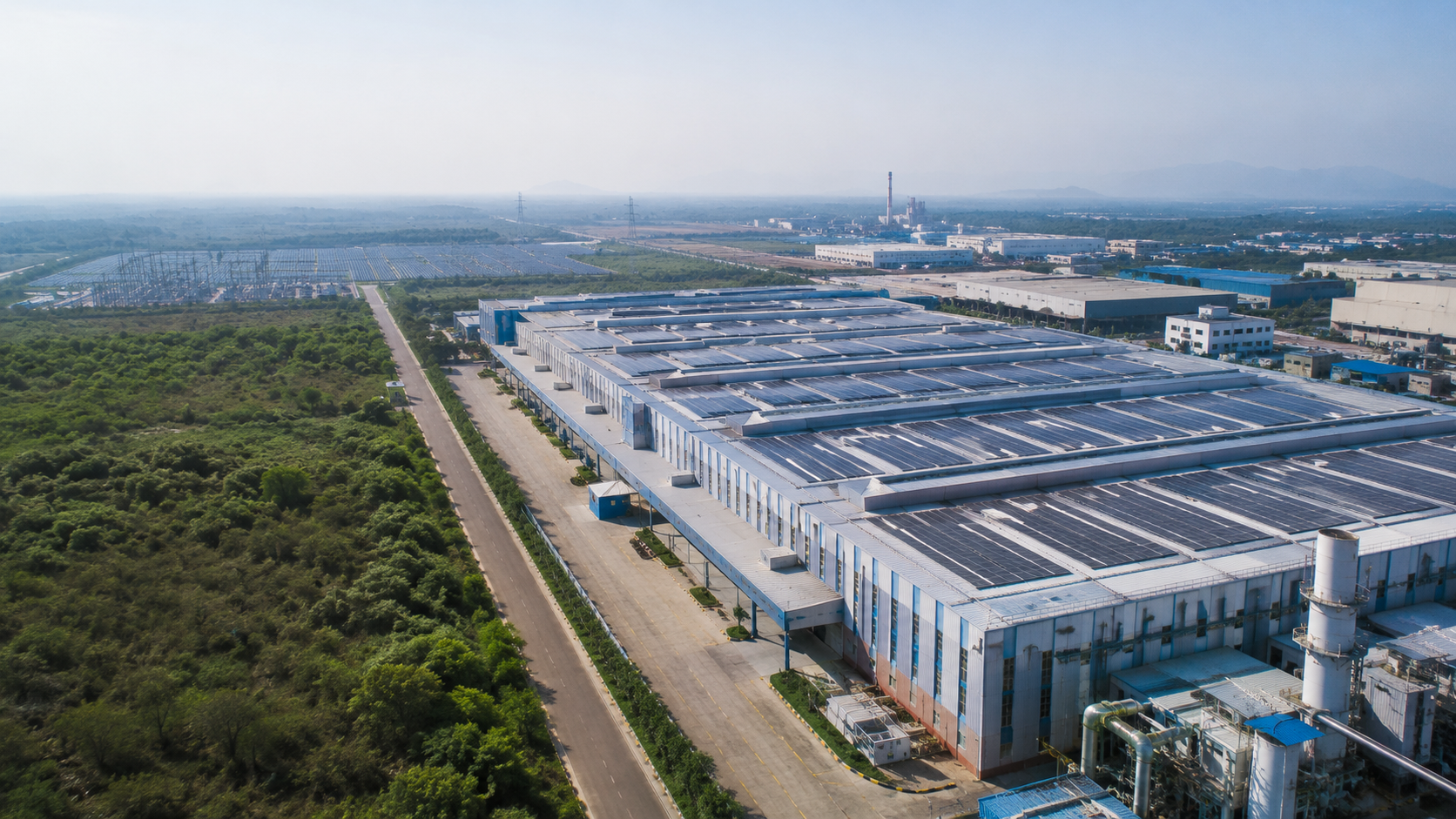
Solar Division

Maa Kudargarhi Group's Solar Division operates across captive renewable energy and customer-focused solar solutions through Helio Renewable Power and Re-Energen.

The division develops solar projects for the Group's energy requirements while providing end-to-end solar solutions for residential, commercial and industrial customers.

Supporting the transition towards cleaner and more sustainable energy.

CREATIVE VENTURES

INDUSTRY

Creative Ventures

Pratibimb is a digital storytelling platform that brings authentic voices, emerging artists and often-overlooked stories to a wider audience.

The Orby House is a premium lifestyle and décor brand offering distinctive, handcrafted products that combine Indian craftsmanship with contemporary design.

See why customers
choose us.

Rajesh Verma

Director, Steel Operations

Priya Nair

Head of Procurement, Agro Division

Amit Khanna

Project Lead, Infrastructure

Stories That Inspire Action

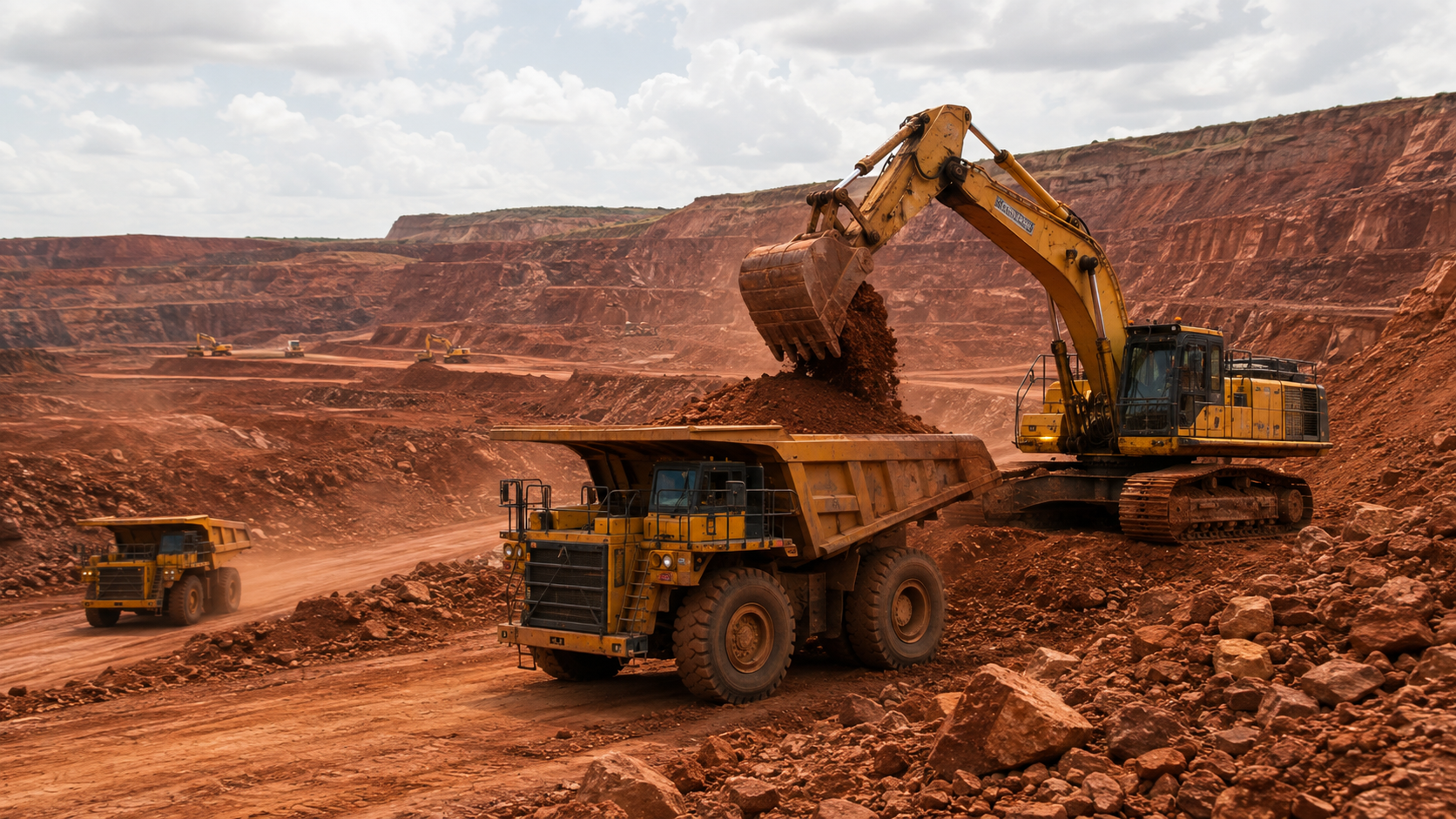
Bauxite to Alumina: How the Bayer Process Actually Works

Bauxite to Alumina: How the Bayer Process Actually Works

Aluminium is everywhere—from buildings and automobiles to electrical systems, packaging and industrial equipment. But aluminium does not come directly out of the ground. Its journey usually begins with bauxite , an aluminium-rich ore. Bauxite is mined, prepared and chemically refined to produce alumina (aluminium oxide, Al₂O₃) . Only after that is alumina sent to an aluminium smelter, where it can be converted into metallic aluminium. The industrial process responsible for producing most of the world’s alumina is known as the Bayer process . At first glance, the concept appears simple: dissolve the aluminium-bearing minerals from bauxite, separate the unwanted material and recover alumina. At industrial scale, however, it is a carefully controlled combination of mineral preparation, chemistry, temperature, pressure, separation and recycling. Here is what actually happens between bauxite and alumina. First, What Exactly Is Bauxite? Bauxite is not a single mineral. It is an ore containing aluminium-bearing minerals together with varying amounts of iron oxides, silica, titanium-bearing minerals and other constituents. That distinction is important. Two bauxite deposits can have similar alumina percentages but behave differently during refining because their mineralogy and impurities are different. This is why a bauxite deposit cannot be understood only through one number. Parameters such as available alumina, reactive silica, iron content, moisture and mineralogy can influence how suitable the ore is for alumina refining and how it behaves inside the Bayer process. Before the refinery begins processing bauxite, understanding the characteristics of the ore is therefore fundamental. From Mine to Refinery Bauxite is generally produced through open-cast mining because many commercial deposits occur relatively close to the surface. Mining begins with removal of overburden where required, followed by excavation of the bauxite-bearing material. But refinery performance starts at the mine. Selective mining and grade control can help maintain a more consistent feed. Different areas of a deposit may contain different grades or impurity levels, so appropriate mine planning, sampling and blending can become important before the ore reaches the refinery. After mining, the bauxite is transported for processing. The Bayer process can then be understood through a series of major stages: Bauxite Preparation → Digestion → Clarification → Precipitation → Calcination → Alumina Each stage has a specific purpose.

Read more

DCR vs Non-DCR Solar Panels: Does Industrial Solar Still Make Sense After the 2026 Rule Change?

DCR vs Non-DCR Solar Panels: Does Industrial Solar Still Make Sense After the 2026 Rule Change?

For anyone planning a solar power plant in India today, two terms come up almost immediately: DCR and Non-DCR. For years, Non-DCR solar panels have often been attractive for commercial and industrial projects because of their competitive pricing. DCR-compliant options, using domestically manufactured components as required under applicable schemes, have generally carried a higher upfront cost. Now, India’s solar sourcing regulations are changing. With the expansion of the Approved List of Models and Manufacturers (ALMM) framework and domestic manufacturing requirements, many industrial consumers are asking a simple question: If we have to move away from the cheaper Non-DCR options for applicable projects, will solar still be profitable? In many industrial applications, the answer can still be yes. Because the economics of an industrial solar plant depend on much more than the purchase price of the panels. And when the project is structured intelligently—including generating significantly more solar power during the day and using permitted grid mechanisms to offset consumption at other times—the difference becomes even more interesting. DCR vs Non-DCR Solar Panels: What Is the Difference? The terminology can sound complicated, but the basic distinction is straightforward. DCR stands for Domestic Content Requirement. In common industry usage, DCR solar panels refer to modules meeting prescribed domestic manufacturing requirements. Non-DCR is the term commonly used for modules that do not meet those specific domestic-content requirements and may use imported cells or other components. Historically, the price difference has made Non-DCR panels attractive for many projects where DCR compliance was not mandatory. But India’s policy direction is increasingly focused on building a domestic solar manufacturing ecosystem. Changes under the ALMM framework—including requirements relating to approved solar cells—are therefore changing the sourcing options available to new projects. For an industrial consumer, this can mean one thing: The upfront cost of the solar project may increase. But higher capex does not automatically mean poor ROI. To understand why, we first need to understand how an industrial solar plant should actually be sized

Read more
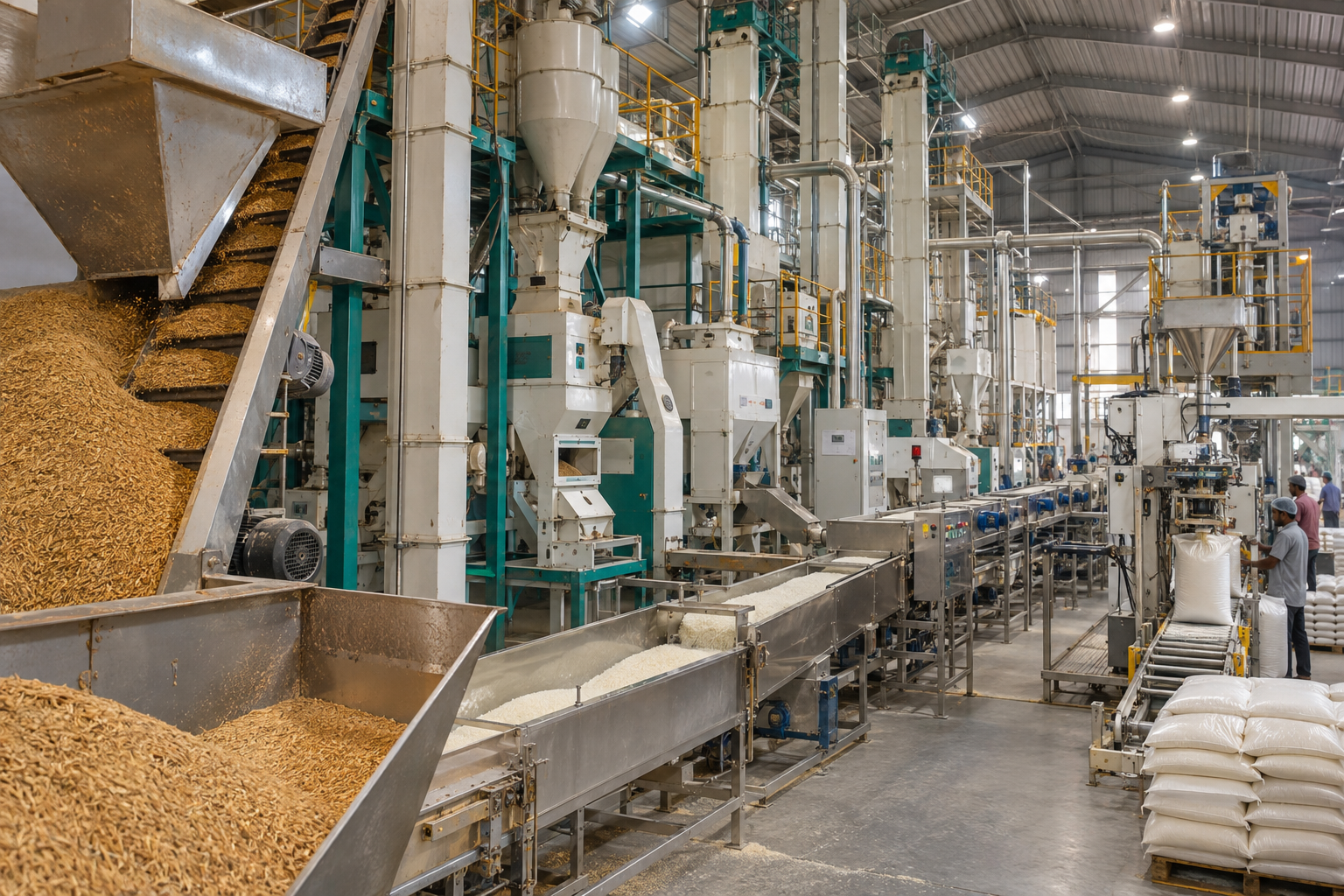
What Actually Happens Between Paddy and Packed Rice?

What Actually Happens Between Paddy and Packed Rice?

A bag of rice on a supermarket shelf looks like a simple product. Clean grains, uniform colour, consistent size, packed and ready for cooking. But rice does not leave the farm looking anything like this. What farmers harvest is paddy —rice grains still protected by an outer husk and carrying varying levels of moisture, dust and other material from harvesting and handling. Turning that paddy into the rice we eat requires a carefully controlled sequence of cleaning, drying, milling, separation, grading and quality checks. The basic idea is simple: remove everything that should not be there while keeping as much of the grain intact as possible. Doing that efficiently at an industrial scale is where rice milling becomes considerably more technical. It Starts With the Paddy Good rice processing begins before the milling machines start. When paddy arrives at a rice mill, its condition can vary depending on the variety, growing conditions, harvesting method, moisture level and storage. The first task is therefore to understand the incoming raw material. Paddy may contain straw, dust, stones, immature grains and other foreign material. Moisture is particularly important because paddy that is too wet can create storage problems, while improper drying can increase grain breakage during subsequent processing. The miller’s job is not simply to remove the husk. It is to manage the grain through each stage so that the maximum possible quantity of good-quality rice reaches the final pack.

Read more
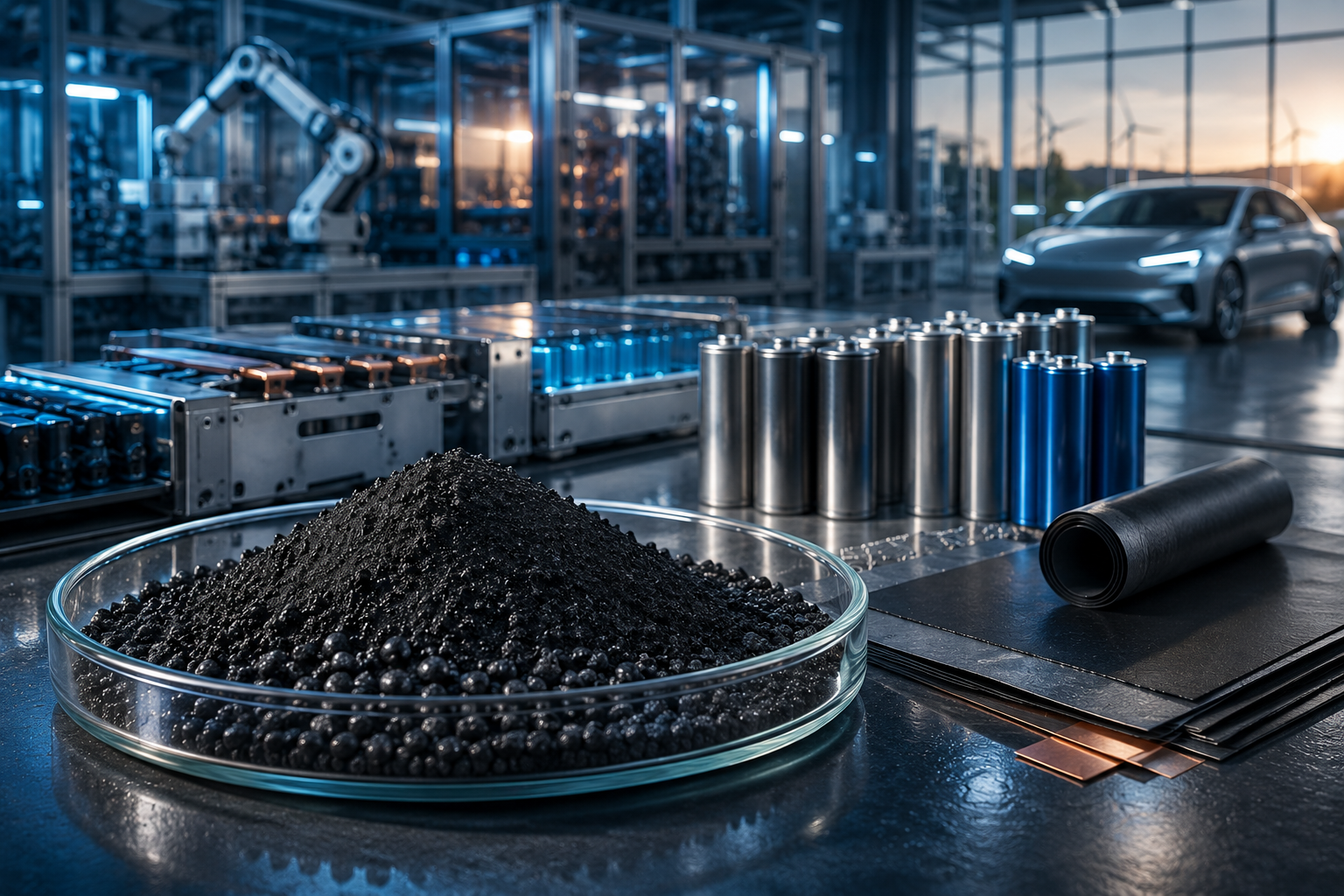
Where India’s Battery Graphite Actually Starts

Where India’s Battery Graphite Actually Starts

When people talk about India’s battery supply chain, the conversation usually begins with gigafactories, lithium-ion cells, electric vehicles and energy storage. But the graphite inside a battery begins its journey much earlier. For natural graphite, that journey starts at a graphite deposit, moves through mining and mineral beneficiation, and only then reaches the highly specialised processing required to turn graphite concentrate into battery anode material. Understanding this distinction is important because producing graphite and producing battery-grade graphite are not the same thing. Battery graphite is the result of an entire value chain, and the quality established at the upstream stages can influence everything that follows. Graphite’s Role Inside a Lithium-Ion Battery A lithium-ion battery has four major components: the cathode, anode, electrolyte and separator. Graphite is the dominant material used in the anode. Its layered crystalline structure allows lithium ions to move into and out of the material during charging and discharging. But the graphite used for this purpose cannot simply be mined, crushed and sent to a battery manufacturer. Natural graphite has to pass through several stages: Mining → Beneficiation → Purification → Micronisation & Spheroidisation → Coating → Anode Material Each stage solves a different problem. And the first major challenge is separating graphite from the rock in which it naturally occurs.

Read more