
Bauxite to Alumina: How the Bayer Process Actually Works
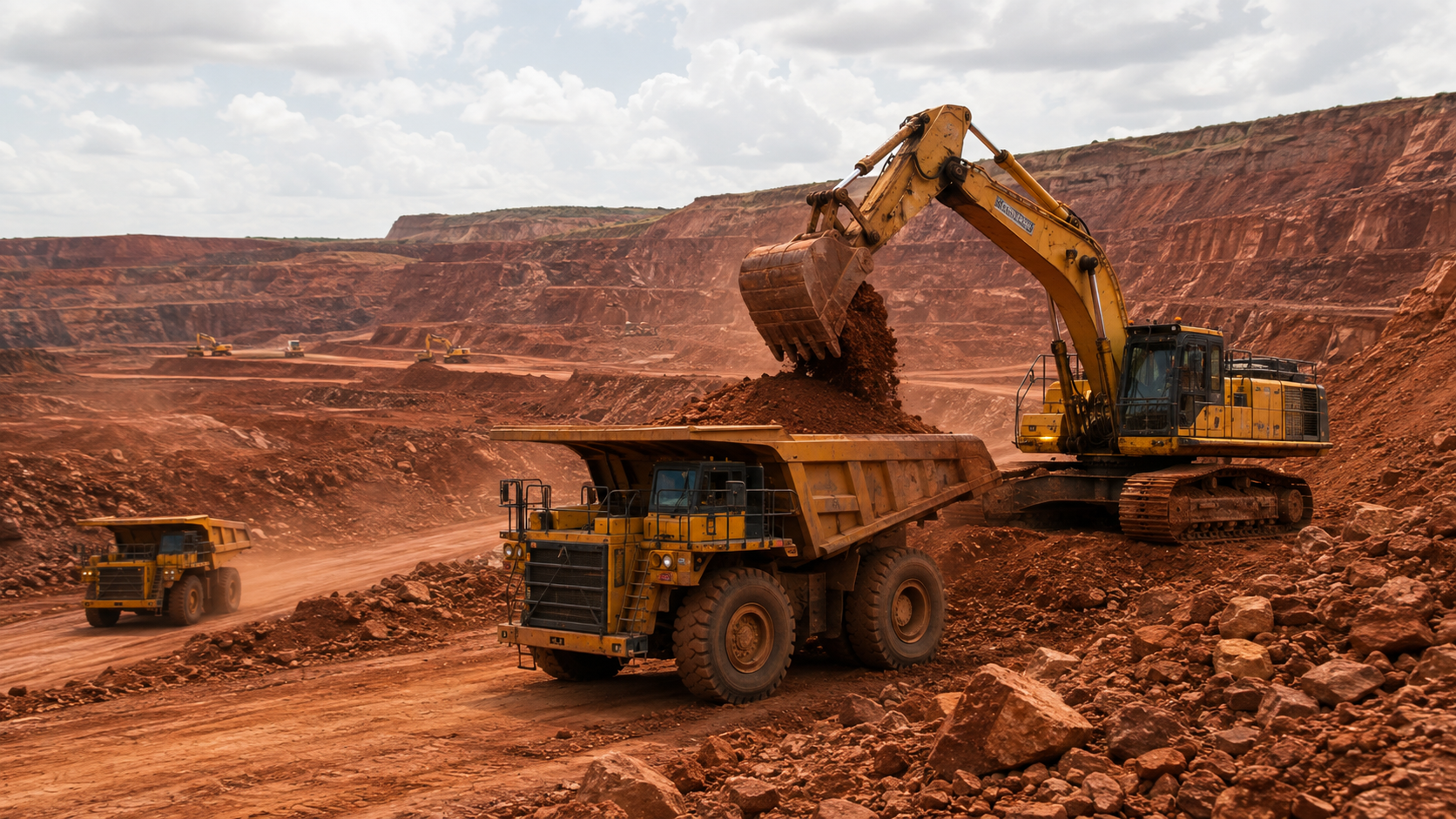
Aluminium is everywhere—from buildings and automobiles to electrical systems, packaging and industrial equipment. But aluminium does not come directly out of the ground. Its journey usually begins with bauxite , an aluminium-rich ore. Bauxite is mined, prepared and chemically refined to produce alumina (aluminium oxide, Al₂O₃) . Only after that is alumina sent to an aluminium smelter, where it can be converted into metallic aluminium. The industrial process responsible for producing most of the world’s alumina is known as the Bayer process . At first glance, the concept appears simple: dissolve the aluminium-bearing minerals from bauxite, separate the unwanted material and recover alumina. At industrial scale, however, it is a carefully controlled combination of mineral preparation, chemistry, temperature, pressure, separation and recycling. Here is what actually happens between bauxite and alumina. First, What Exactly Is Bauxite? Bauxite is not a single mineral. It is an ore containing aluminium-bearing minerals together with varying amounts of iron oxides, silica, titanium-bearing minerals and other constituents. That distinction is important. Two bauxite deposits can have similar alumina percentages but behave differently during refining because their mineralogy and impurities are different. This is why a bauxite deposit cannot be understood only through one number. Parameters such as available alumina, reactive silica, iron content, moisture and mineralogy can influence how suitable the ore is for alumina refining and how it behaves inside the Bayer process. Before the refinery begins processing bauxite, understanding the characteristics of the ore is therefore fundamental. From Mine to Refinery Bauxite is generally produced through open-cast mining because many commercial deposits occur relatively close to the surface. Mining begins with removal of overburden where required, followed by excavation of the bauxite-bearing material. But refinery performance starts at the mine. Selective mining and grade control can help maintain a more consistent feed. Different areas of a deposit may contain different grades or impurity levels, so appropriate mine planning, sampling and blending can become important before the ore reaches the refinery. After mining, the bauxite is transported for processing. The Bayer process can then be understood through a series of major stages: Bauxite Preparation → Digestion → Clarification → Precipitation → Calcination → Alumina Each stage has a specific purpose.